by Oliver Budack
Share
The New McLaren Vale: How Mediterranean Grape Varieties Are Redefining Australian Wine
By Oliver Budack (c) 2025
This is a slightly edited version of an article published on the Hastwell & Lightfoot blog on 3 October 2025.
When I arrived in Australia in 1995 and settled in Darwin, the wine scene was a far cry from the lighter, brighter, more fruit-forward European styles I was used to drinking in my native Germany.
Australian red wines were big, bold, and high in alcohol. Chardonnay was often heavily wooded — thick and buttery — and if it wasn’t over-oaked, it tended to be bland, stripped of its varietal character.
By the end of the century, most people (me included!) had joined the ABC club – “Anything But Chardonnay” – turning instead to New Zealand Sauvignon Blanc. Riesling was usually enjoyed in a sweeter style (remember Brown Brothers Crouchen Riesling?!), but beyond Cabernet Sauvignon (or Claret), that was about it.
Looking back, it’s hard to believe that in the early 90s, most of the wines in Australia came from fewer than ten grape varieties.
As a sommelier in Darwin, I struggled to pair those big Aussie reds with the fiery, Southeast Asian-inspired cuisine of the Top End. Add to that Darwin’s tropical climate — and the misguided rule of serving wine at “room temperature” (an average of 30°C with high humidity!) — and nothing worked. Not for me, not for my customers, not for the food, and certainly not for the wine.
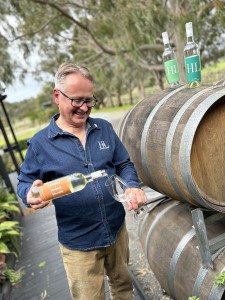
Oliver pours Grenache Blanc at H&L. Photo: Megan Spencer (c) 2024
It was then that my love affair with “alternative” grape varieties began, especially those from the “Southern Vales”. Thirty years ago these varieties were barely on the radar of Australian wine drinkers. Most vineyards were planted with the classics — Shiraz, Cabernet Sauvignon, Chardonnay, Riesling — grapes that originated in cooler European regions. We now know some varieties are better suited to warm climates, while others thrive only in cooler or more moderate ones.
This realisation opened the door to a new wave of wines in McLaren Vale. Varieties like Chardonnay and Riesling – which shine in the Adelaide Hills, Eden Valley, or Clare Valley – struggle in McLaren Vale’s warmth, a challenge only compounded by rising temperatures and increasingly extreme weather events driven by climate change.
The answer lay in Southern European grapes. Wines made from these varieties were fresher, more food-friendly, and far better suited to Australia’s warm climate and multicultural cuisine — not just in Darwin, but in McLaren Vale and beyond.
As far back as the late 1980s, fortunately McLaren Vale growers saw what was coming. They knew viticulture — and their livelihoods — were at risk unless the industry embraced more sustainable, climate-appropriate practices. Pioneers began planting Sangiovese and Tempranillo in the 1990s, followed by Fiano and Vermentino in the early 2000s.
With its Mediterranean-like climate and progressive growers, the region quickly became a leader in adopting Southern European varietals: Montepulciano, Graciano, Barbera, Nero d’Avola, Greco, Grillo, Piquepoul, Grenache Blanc, and many more. Today, wines like Fiano and Barbera have become the new darlings of sommeliers, food lovers, and adventurous drinkers alike.
Consumers are now curious, excited, and eager to explore these wines, which offer mouthwatering alternatives to the classics. McLaren Vale has built a reputation as the epicentre of climate-specific varietals in Australia, with over 20 emerging grapes now thriving here — and making their way onto the wine lists of top restaurants around the country.
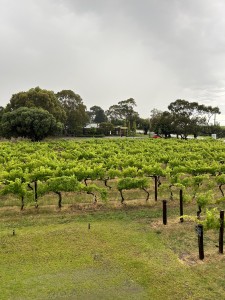
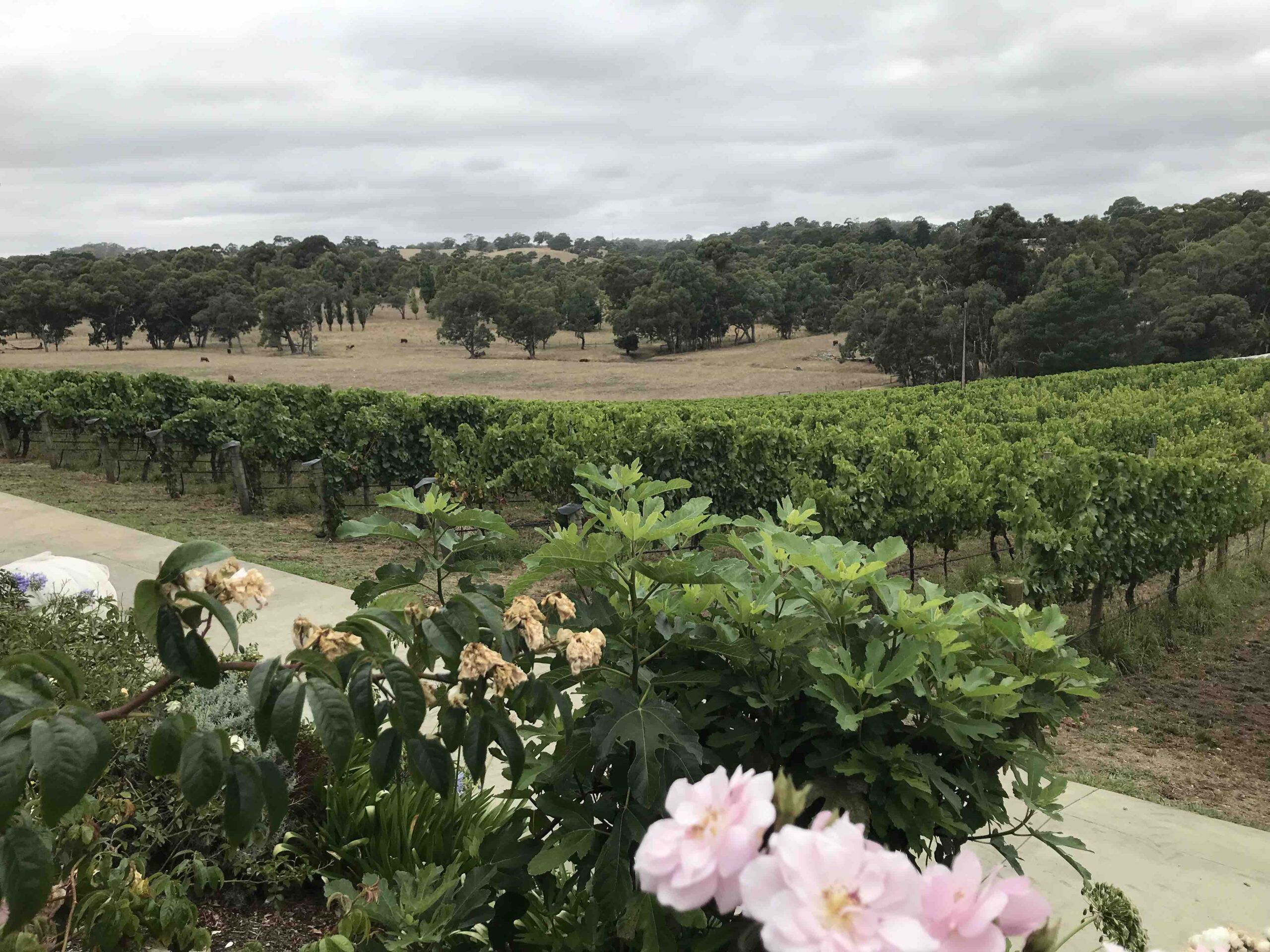
Vineyards, McLaren Vale. Pic: Oliver Budack (c) 2023
The Vale is also at the forefront of sustainable viticulture. It boasts the highest number of Sustainable Winegrowing Australia-certified vineyards in the nation, along with the largest concentration of organic and biodynamic vineyards. The region even utilises reclaimed water, providing more than 6,000 megalitres annually to its vineyards and easing pressure on groundwater reserves.
For the past few years I’ve worked at Hastwell & Lightfoot, a boutique family winery which has long-championed Mediterranean varietals. It’s been a sommelier’s dream. The wines are vibrant, fruit-forward, and full of life, with lively acidity and gentle tannins — effortlessly pairing with diverse cuisines, and always best enjoyed around a table with family and friends.
Two personal favourites from [Hastwell & Lightfoot’s] current list are the 2024 Barbera Rosé and the 2024 Barbera. The rosé is dry, savoury, and endlessly versatile — the kind of wine you can pour alongside almost anything. The Barbera red, meanwhile, reminds me of the vibrant European wines I longed for 30 years ago: bursting with dark cherry fruit and floral aromas, juicy and supple on the palate, with soft tannins and not a hint of oak. On a hot summer’s day, I’ll drink it slightly chilled — simply delicious.
These wines – and others from Hastwell & Lightfoot range – represent what I like to think of as the new McLaren Vale: refreshing, climate-appropriate wines that celebrate both place and culture.
Through them we can travel – sensorially at least – to the Mediterranean and beyond…
Original version edited by Nicole St. Pierre.
(c) Oliver Budack 2025
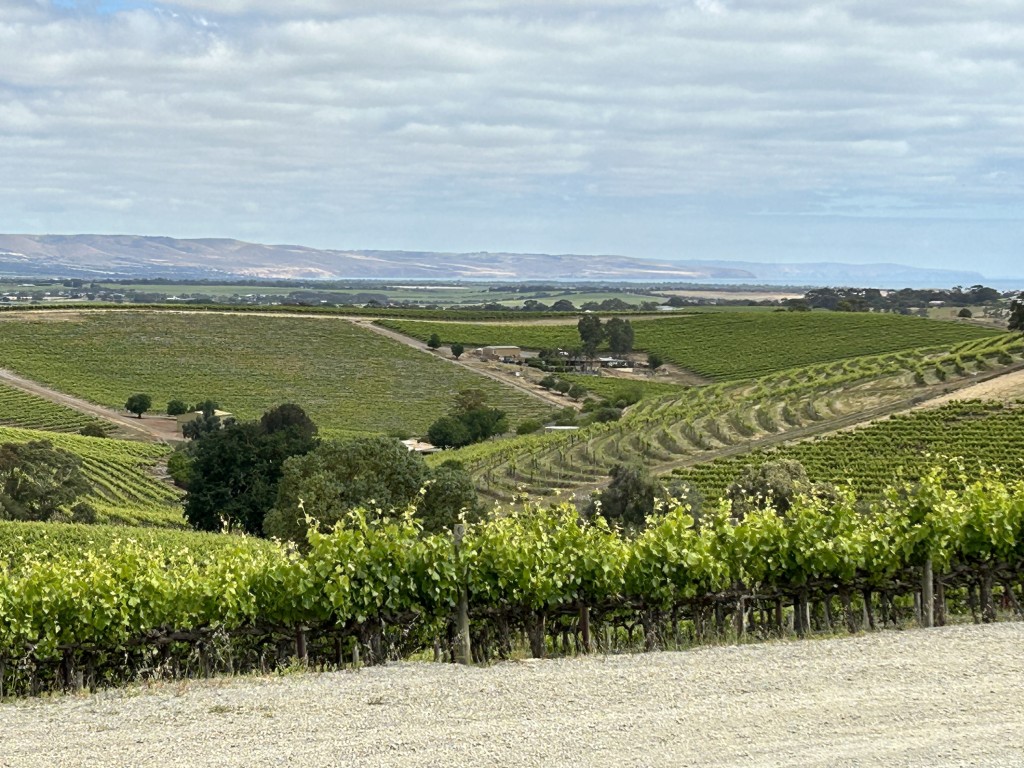
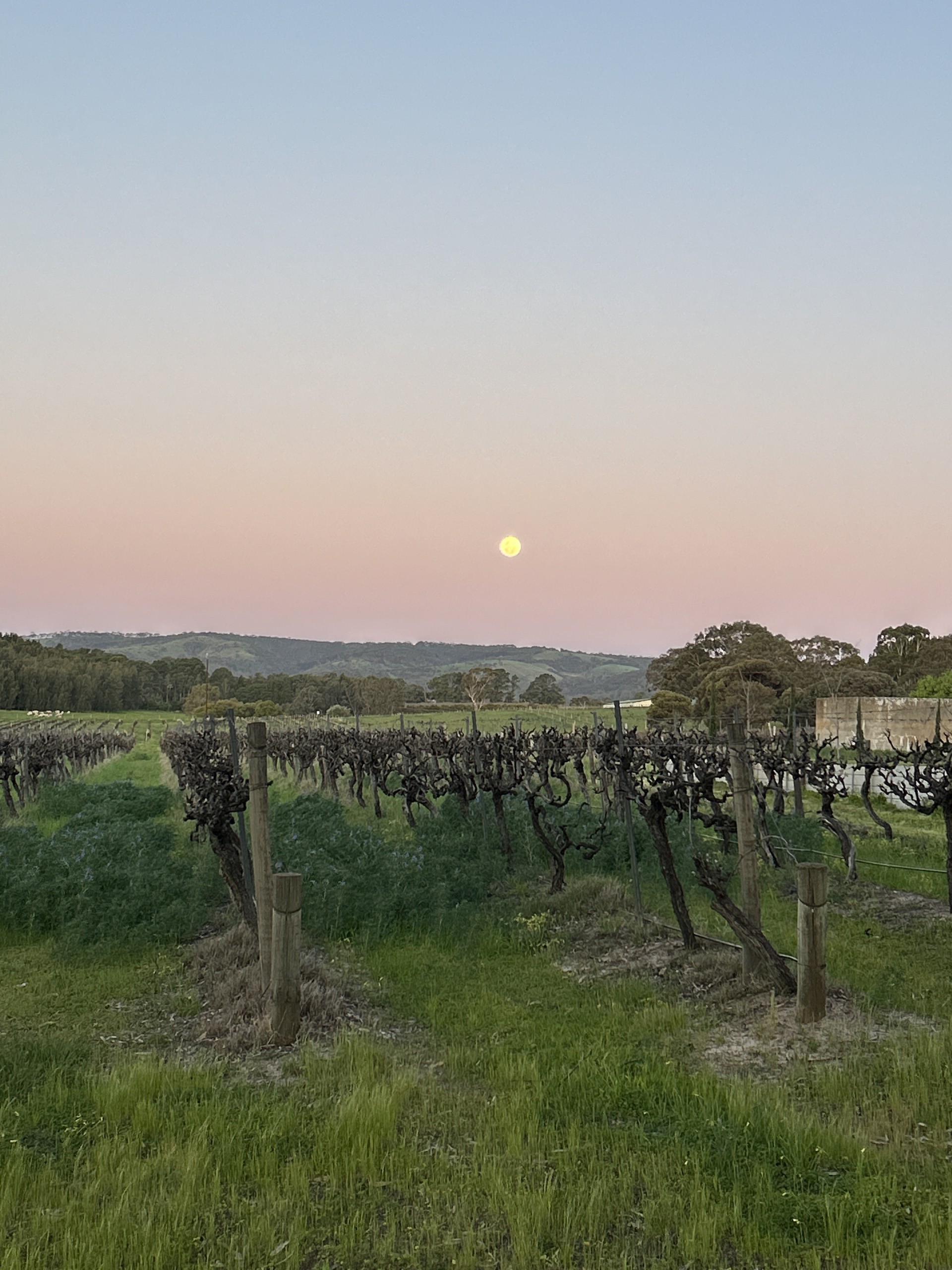
McLaren Vale. Pic: Oliver Budack 2023

Hahndorf Hill Winery is nestled in the beautiful undulating heart of the Adelaide Hills Wine Region, near the historic township of Hahndorf. This winery is one of my favourite cellar doors in South Australia with its focus on Austrian varietals, appropriately matched to the cooler climate of the region. Hahndorf Hill was not only instrumental
-
What a year! I’m sure I’m not alone in saying that it was an ‘interesting’ one to say the least, especially if you work in hospitality, no thanks to the ongoing pandemic! The beginning of the year saw a fresh start at Victor’s Place and Varney Wines in McLaren Vale. This next welcome phase of

After living in Berlin for nearly three years to complete my Sommelier studies and certification, at the end of 2017 I returned to live again in Australia. So inspired was I by the discovery of European organic and more sustainable viticulture – and the tasty and juicy wines it produced – I felt compelled to

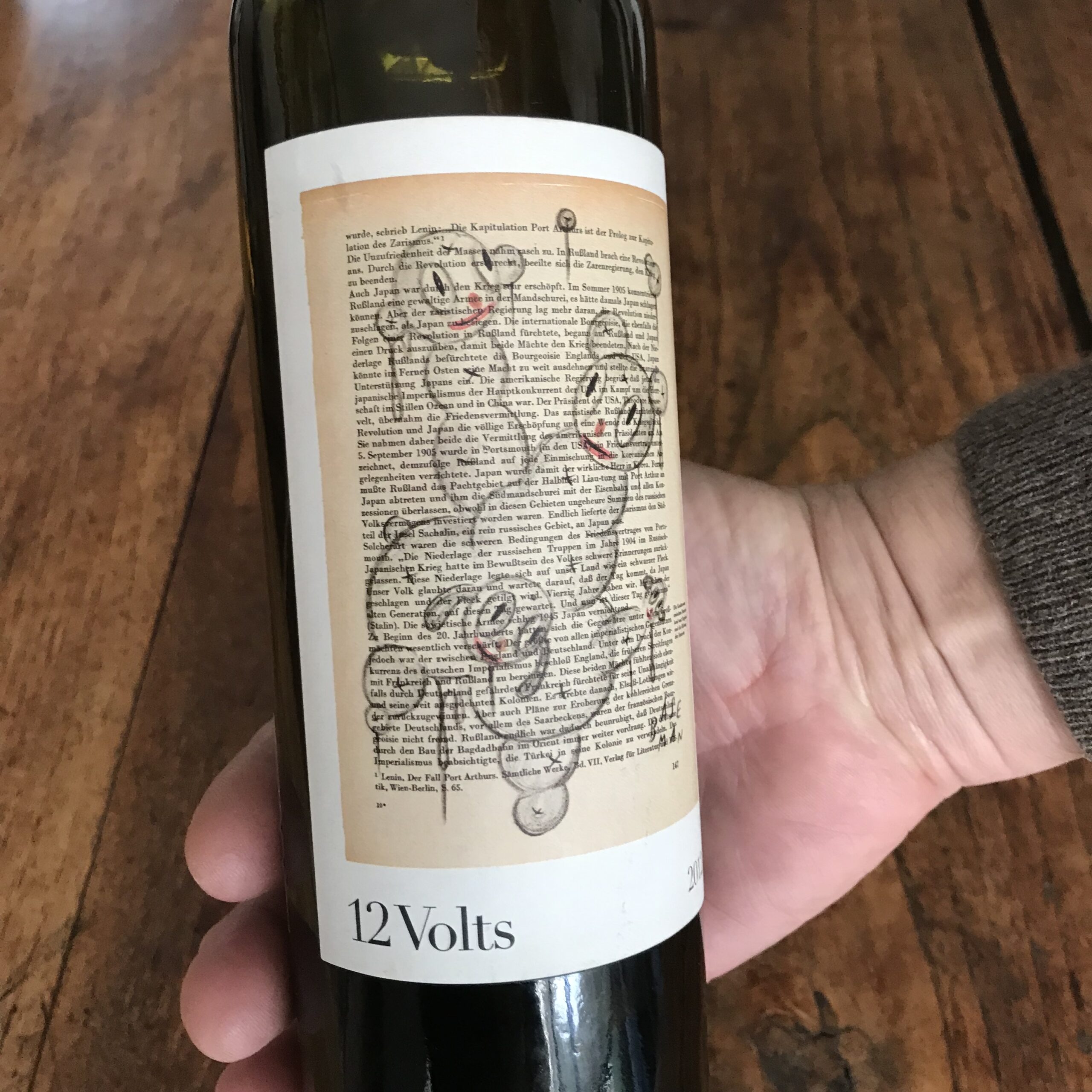
Recently I came across an old friend, a bottle of 2012 12Volts from 4kilos Vinícola, Spain. The winery is located on Mallorca, a small island in the Mediterranean Sea. I was electrified when I saw this wine as I had visited its winery of origin a couple of times when living in Europe. Suffice to