by Oliver Budack
Share
I only have arrived in Berlin a couple of weeks ago and can not believe the amount of tastings and wine education which is on offer here. Thank you Berlin!
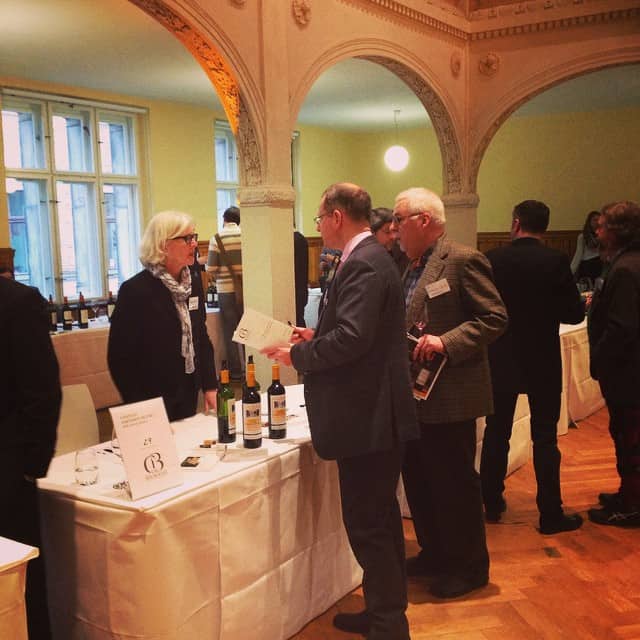
So with excitement I made my way last week to Villa Elisabeth in Berlin-Mitte which hosted this Crus-Bourgeois du Medoc trade tasting. I only found out about this tasting last minute, as I noticed a post on the FB site #weinamlimit, hosted by by Germanys Master Sommelier #Hendrik Thoma. Mr. Thoma was also hosting a seminar on that day, which was unfortunately already booked out.
What is Crus-Bourgeois? They are a group of producers from the Medoc sub region of Bordeaux which haven’t been classified under the Bordeaux classification from 1855 (Premier Crus etc). Today about 200 Chateaus are part of Crus-Bourgeois, to distinguish themselves of being high quality producers in the Medoc region. It is also important to know that Crus-Bourgeois wines are much more affordable than those under the 1855 classification.
Entering the hall of Villa Elisabeth was a great joy, not only seeing the room full with wine aficionados, but also the great architecture and graceful design of the hall set the mood right for this degustation.
Most producers focused on showing the 2011 and the 2012 vintages, which was great to learn more about the the difference in vintage and quality.
I was struggling with tasting the first 5, or 6 wines. Having lived for the past 20 years in Australia, my palate was not ready for this onslaught of tannins and acidity. But after tasting more of these reds I started to get a palate for them. You might know that red wines from the Medoc region of Bordeaux are mostly made from three principal grape varieties: Cabernet Sauvignon, Merlot and Cabernet Franc. Sometimes you will also find a little Petit Verdot in the blend. These varietals are predominantly high in tannins and acidity. Their general expression is rather austere than luscious; if I may generalize and call Australian reds being more luscious than austere in their expression.
There where 30 Chateaus showcasing their wines and after a while I got quite some appreciation for the vintage variations. Tasting more and more wines from two different vintages (’11 & ’12) made it quite clear that wines from the 2012 vintages where not as complex and refined as those from the 2011 vintage. The wines from 2012 seem to have riper fruit, more generous in their expression, but also a little less structure. For me these wines are representing the ‘drink me now’ option. The 2011 wines had higher acidity and finer tannins, which will benefit them for short term cellaring for up to 8 years.
The other interesting fact was to appreciate the varying percentages of grape varieties represented in each wine. The majority of producers are making their wines from a balanced (50/50) proportion of Cabernet Sauvignon and Merlot. By saying that, some producers are using a high percentage of Cabernet Sauvignon (up to 93%) as the main grape variety in their cuvee, others used up to 70% Merlot. A few used higher percentages of Petit Verdot, which even adds more tannins and acidity to the wine.
Thankfully taste is subjective and this show case of Crus-Bourgeois had something for everyone’s palate on offer. I thoroughly enjoyed this tasting, but after tasting so many wines (tasting, not drinking!) my taste buds told me to bugger off.
The reward for my palate and I was a beautiful glass (or two) of German Riesling in one of Berlins beautiful little wine bars.
But this will be another story.

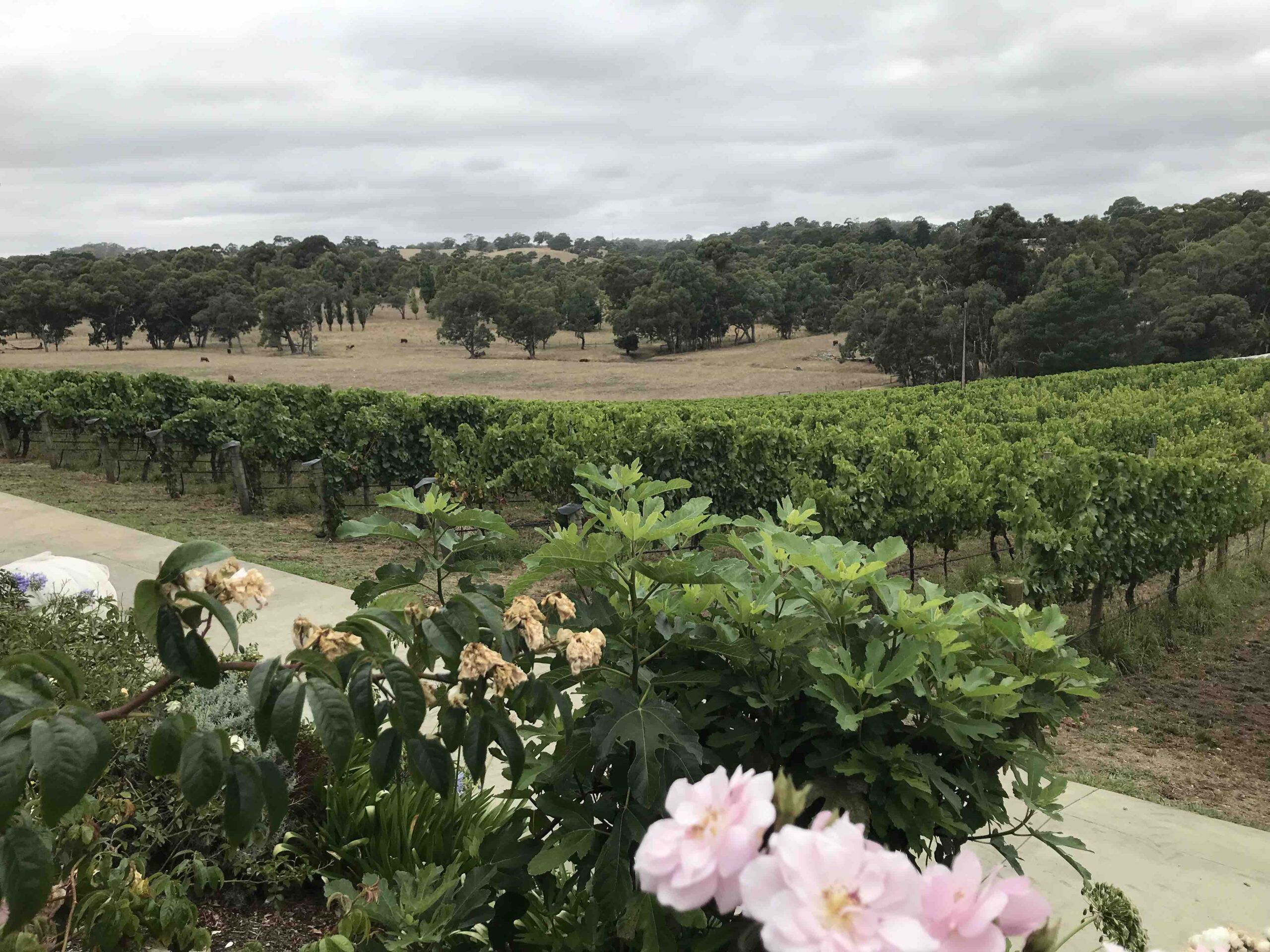
Hahndorf Hill Winery is nestled in the beautiful undulating heart of the Adelaide Hills Wine Region, near the historic township of Hahndorf. This winery is one of my favourite cellar doors in South Australia with its focus on Austrian varietals, appropriately matched to the cooler climate of the region. Hahndorf Hill was not only instrumental

After living in Berlin for nearly three years to complete my Sommelier studies and certification, at the end of 2017 I returned to live again in Australia. So inspired was I by the discovery of European organic and more sustainable viticulture – and the tasty and juicy wines it produced – I felt compelled to

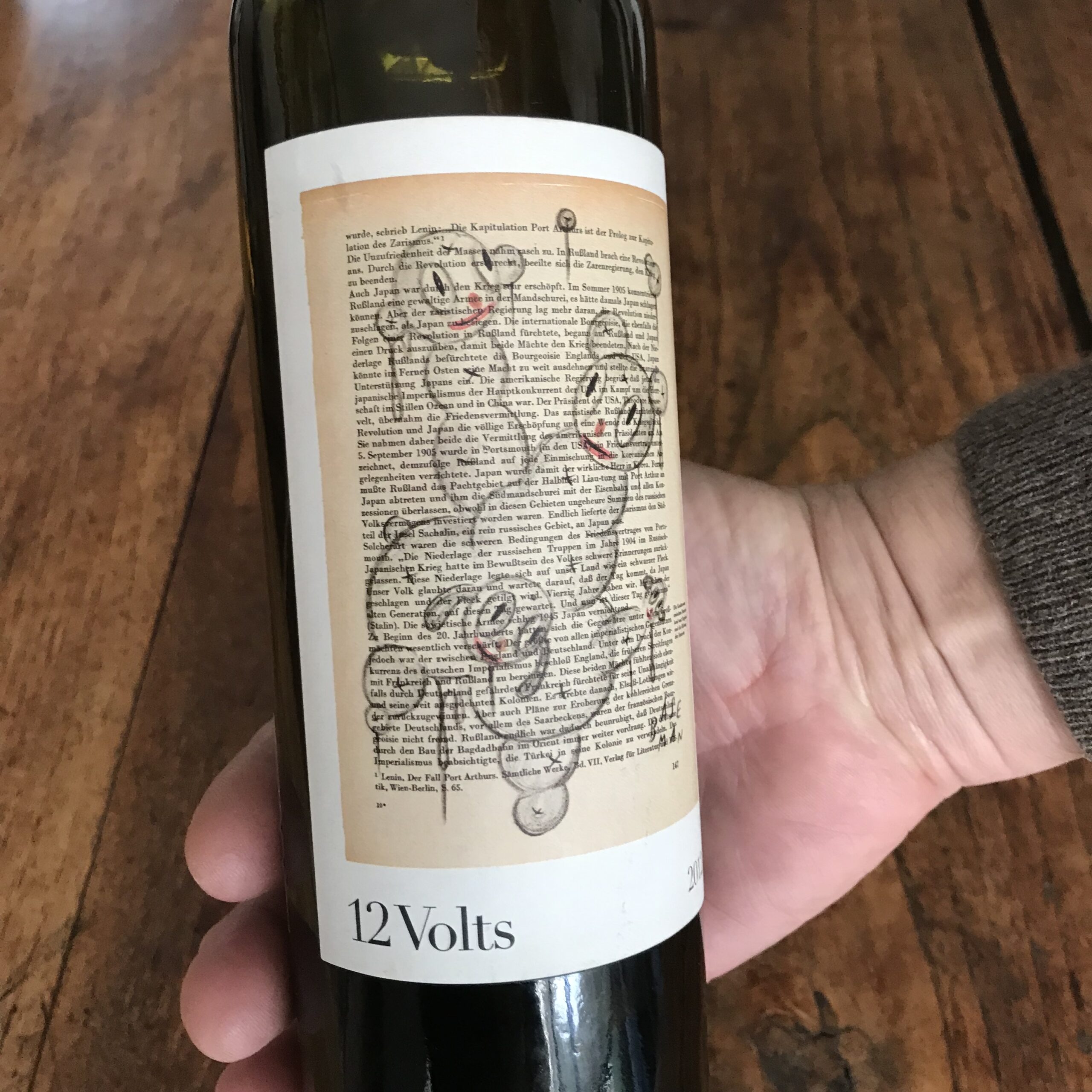
Recently I came across an old friend, a bottle of 2012 12Volts from 4kilos Vinícola, Spain. The winery is located on Mallorca, a small island in the Mediterranean Sea. I was electrified when I saw this wine as I had visited its winery of origin a couple of times when living in Europe. Suffice to

The best thing about tasting wine? Tasting it with others… Drinking a bottle of wine with no one else to share it with is boring: in solitude I don’t appreciate the wine as much as I do sharing it in a group. I might assess and appreciate the first glass, but by the second my